
Tired of Being a Landlord? Your Property Is Worth More Than You Think.
Why Choose Us
Real Property Value, Not an Algorithm
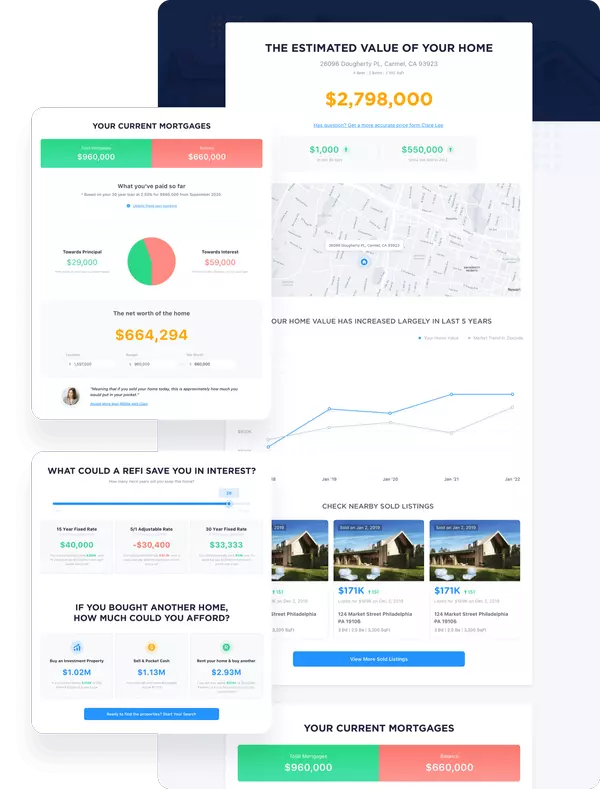
Instant value estimate right after you submit, plus a real CMA emailed from Patroy, built from actual comparable sales, not just an algorithm.
Tax-Aware Exit Planning
Capital gains, depreciation recapture, and 1031 exchanges can make or break your net proceeds. Patroy walks you through the options so you can plan with your CPA not get surprised at closing.
Sell Occupied or Vacant — Your Call
Selling to another investor with tenants in place is a different conversation than waiting for the lease to end. Pat helps you weigh both paths based on your timeline and goals.
NY Landlord Law Expertise
HSTPA, Good Cause Eviction, rent stabilization these affect what your property is worth and who will buy it. Patroy Quarry and Team knows the NY landscape and how it shapes your exit.
A Fellow Landlord, Honest Advice
Patroy Quarry owns rental properties himself. He understands the day-to-day reality of being a landlord and gives you honest advice based on your numbers not a sales pitch.
LANDLORD EXIT QUESTIONS, ANSWERED.
This information is for general guidance only. Consult your CPA, attorney, or tax advisor for advice specific to your situation.
Do I owe capital gains tax when I sell my rental property?
Usually yes. Federal capital gains run 15–20% depending on your income, and New York adds state tax on top. Your gain is calculated from your adjusted basis (purchase price + improvements – depreciation), not your original purchase price which is why the bill can be larger than landlords expect. Talk to your CPA before listing; timing the sale can significantly affect what you owe.
What is depreciation recapture, and how does it affect my sale?
What is a 1031 exchange, and can it help me?
Can I sell with tenants still in the property?
What if my tenant is rent-stabilized?
Will Good Cause Eviction affect my sale?
Should I sell now or wait?
How is a rental property valued differently than a regular home?
Should I make repairs or upgrades before selling?
What disclosures am I legally required to make in New York?